
You’ve seen it happen time and time again. Brilliant ideas are brainstormed, creatives look sharp, and the copy reads well. The campaign gets the green light with a generous budget attached. Expectations are high. Then the numbers roll in, and they fall flat. Clicks trickle in, conversions stall, and the budget quietly drains away.
It’s a familiar story in digital advertising, and it always leaves marketers with questions like “why are my Facebook ads not converting?” or “how to optimize my paid search campaigns for better results?” In reality, it rarely comes down to one obvious mistake. More often, performance slips because of several smaller issues that go unnoticed until it’s too late.
In this article, we’ll unpack some of the most common ad mistakes that hold campaigns back. We’ll also explain how to improve ad performance in practical ways, and show why campaign performance analysis is critical for long-term success. Whether you run Google Ads, Meta Ads, or both, these pitfalls apply more often than most marketers care to admit.
1. Overlooking the Basics
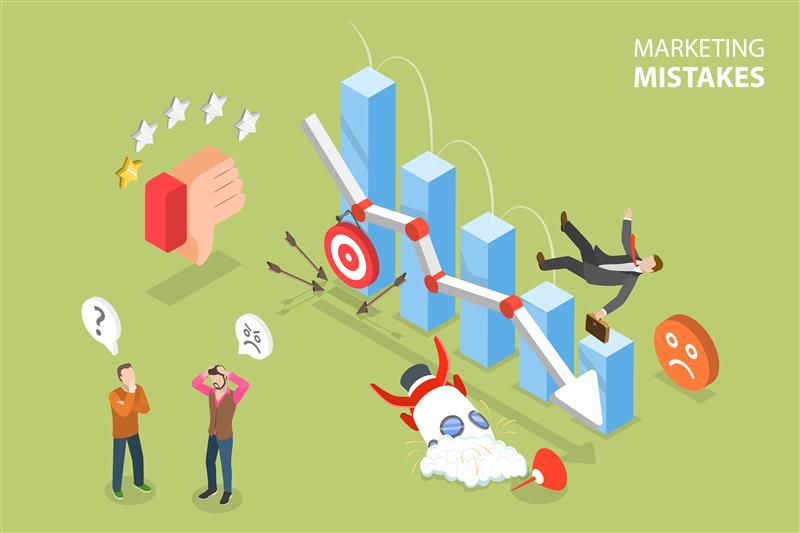
Many underperforming campaigns fail for reasons that seem almost too simple. In actuality, these fundamentals are where some of the most costly mistakes are hidden.
One of the most common issues is unclear messaging. In search ads, this often occurs when headlines do not directly align with the user’s intent. For instance, a keyword may signal urgency or a specific need, but the ad responds with a generic promise. And when users do click, the landing page sometimes introduces a completely different messaging altogether, creating friction that slows or stalls conversion.
On social ads, messaging problems take a different form. Visually, the creative may be strong, but the value proposition is often buried or vague. Users have the tendency to scroll quickly, and if relevance is not obvious within seconds, the ad is ignored. Even the prettiest or well-designed ads can struggle when they do not clearly explain why someone should care.
Moving on, targeting mistakes also sit at the core of many weak campaigns. In the context of search, this often means bidding on broad or loosely related keywords that attract the wrong audience. In social advertising, it appears as overly broad audiences that dilute relevance and inflate costs. These ad mistakes are subtle, but they steadily drag down performance over time.
Finally, unclear calls to action (CTAs) can undo otherwise solid ads. CTAs like “Learn More” or “Get Started” can work, but only when the next step is obvious. When users are unsure what happens after the click, hesitation follows, and conversion rates suffer.
2. Poor Targeting and Audience Misalignment

Strong creatives can grab attention, but they can’t compensate for the wrong audience. When targeting is off, ads end up in front of people who were never likely to convert. This disconnect quietly erodes budgets and makes it harder to improve ad performance, even when everything else looks right.
Common targeting issues include:
Demographic Targeting
Demographic data, such as age, location, and job role, can become outdated quickly, especially for products that expand into new use cases or markets. Overly broad demographics dilute relevance, while overly narrow ones cap reach and increase costs. Regularly reviewing demographic data helps prevent this drift.
Interest-Based Targeting
Interest targeting is a powerful tool, but it can also easily be misused. For example, selecting high-level interests may attract attention without intent, which leads to clicks that don’t convert. On social platforms, interests should reflect signals tied to the problem your product or service solves, not just broad industry labels. Here, tightening interest groups often improves ad performance by filtering out casual browsers.
Remarketing Strategy
Remarketing is yet another frequently underused or misapplied strategy. Showing the same message to all past visitors ignores where they are in the funnel. Someone who bounced after three seconds should not be placed in the same group as someone who viewed pricing or started a trial. Segmenting remarketing audiences based on behavior creates more relevant follow-ups and better results.
3. Ignoring Performance Metrics
One of the fastest ways for ads to underperform is for marketers to treat campaign performance analysis as an afterthought. Without a clear view of what the numbers are conveying, even the best ads won’t deliver results.
At a minimum, track these four core metrics:
Click-Through Rate (CTR)
This shows whether your creative and messaging are compelling enough to earn attention (or clicks). Some reasons for low CTR include weak targeting, uninspiring copy, or creative fatigue.
Conversion Rate
Shows how effectively clicks turn into meaningful actions, whether it’s sign-ups, purchases, or inquiries. If this metric is low, the issue may lie with landing pages, offer clarity, or user experience.
Cost Per Acquisition (CPA)
Tells you how much it costs to acquire a customer or lead. Rising CPA could be a red flag that your targeting, bidding strategy, or funnel needs some adjustments.
Return on Ad Spend (ROAS)
Ultimately answers the most important question: Are your ads profitable? It’s a metric used to measure revenue generated for every dollar spent. A strong ROAS indicates alignment between audience, message, and offer.
For more details on these and other essential metrics, see our guide on “The Complete Glossary of Paid Digital Advertising Terms”.
Consistently tracking and analyzing campaigns allows you to identify underperforming elements early, before they turn into costly failures. Instead of guessing why results have dipped, campaign performance analysis gives you concrete signals on what to optimize, pause, or scale.
4. Poor Ad Optimization Strategies
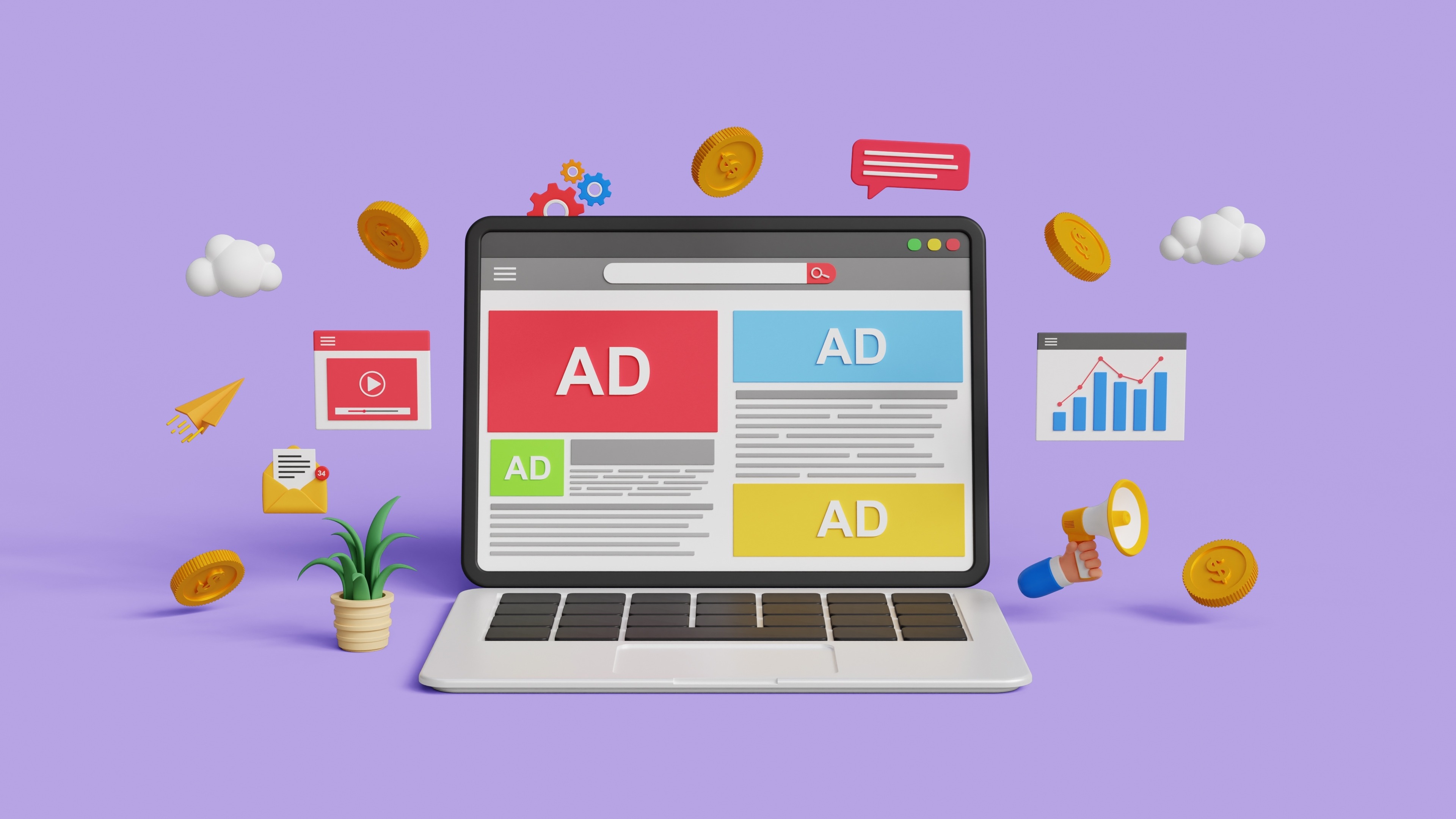
Even with solid fundamentals, campaign performance can stall when optimization is treated as a one-time task (instead of an ongoing process). In this case, improving ad performance means making deliberate, continuous adjustments based on data rather than assumptions.
In that sense, bidding is often where things start to slip. Many campaigns leave bidding strategies on autopilot for too long. Automated bidding can certainly work, but only when it’s guided by clear goals and realistic targets. When costs rise without results, bids may need to be reduced for low-intent keywords or audiences. At the same time, high-performing segments should receive more budget to capture demand while it’s active. In short, bid decisions should always follow performance trends.
Similarly, creative fatigue is another common issue, especially on social platforms. Ads that perform well early can lose impact quickly when the same visuals are shown repeatedly. Avoiding this does not require a full redesign. Simple updates like swapping images, changing formats, or refreshing headlines can restore attention and improve ad performance without disrupting the campaign structure.
Furthermore, ad copy and visuals should also evolve with performance insights. If users are clicking but not converting, the issue may be a mismatch between promise and delivery. Tightening language, clarifying benefits, or simplifying visuals can improve relevance and intent alignment. Ad copy can also be written and rewritten for a stronger impact, especially when you follow practical tips for writing powerful and effective ad copy.
At the end of the day, strong optimization is not about constant overhaul. It’s about precise, informed changes that compound results over time.
5. Neglecting Testing and Iteration
Campaigns can plateau if they aren’t tested and updated regularly, even when the creative and targeting are solid. Continuous testing reveals what truly drives results and helps refine strategies across digital advertising platforms.
As a simple guide, testing should cover multiple areas:
- Landing Pages: Try different layouts, messaging, and CTAs to see what converts best. You can also see our article “Four Tips To Improve Your Landing Page Conversions” to find out how to craft an effective landing page.
- Ad Formats: Compare video, carousel, and static images to identify high-performing types.
- Messaging Variations: Experiment with headlines, copy angles, and CTAs to understand which resonates.
Small adjustments can produce valuable insights that progressively improve ad performance. Iteration keeps campaigns evolving rather than stagnating, protecting budgets while enhancing results.
Checklist for Ad Optimization
1. Run A/B or multivariate tests consistently
2. Track results and document learnings
3. Apply successful changes across similar campaigns
4. Review performance on a set schedule to maintain momentum
Integrating testing and iteration into daily workflows creates a repeatable system that drives measurable improvement. This approach allows marketers to consistently improve ad performance while keeping campaigns competitive in the fast-paced world of digital advertising.
Final Takeaways for Improving Ad Performance
Regardless of how great an ad is, it can still fail for predictable reasons. Overlooked basics, misaligned targeting, ignored metrics, poor optimization, and a lack of testing all contribute to underwhelming results.
The good news is that each of these pitfalls can be addressed with the right approach. Regular audits, disciplined testing, and strong campaign performance analysis turn guesswork into strategy.
If you want to streamline optimization across Google and Meta Ads, OptAdEasy helps teams monitor progress, spot issues faster, and improve ad performance. Take a closer look at your campaigns, apply what you’ve learned, and let your ads work as hard as your budget does. Sign up for a free trial today.