Top 5 Transformative Advertising Trends Shaping 2026 Every Marketer Should Know
As we approach 2026, the advertising landscape is undergoing fundamental changes, shaped by existing and emerging technologies, shifting consumer behavior, and growing demand for privacy and trust. These changes in digital marketing trends are prompting brands to rethink how they reach audiences. Marketers who understand these shifts will gain a strategic advantage, ensuring their campaigns remain relevant and effective in a competitive environment. Conversely, campaigns that rely on outdated methods risk failing to engage consumers who increasingly expect personalized, trustworthy, and immersive experiences.
Artificial intelligence (AI), new approaches to search, privacy-focused strategies, and extended reality (XR) are leading this transformation. Marketers who stay ahead of these developments will be better equipped to optimize campaigns, make data-driven decisions, and maintain their edge in the market. Below, we explore five transformative advertising trends for 2026 that every marketer should know.
Trend 1: AI Continues to Lead
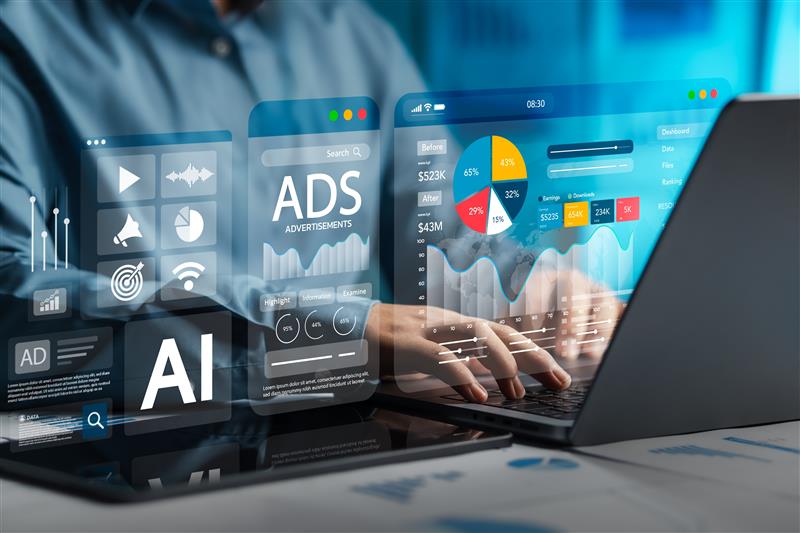
AI will remain a central focus across industries, including marketing and advertising. Over the past year, marketers have increasingly relied on AI for audience segmentation, predictive analytics, creative testing, and bid optimization. HubSpot’s 2025 State of Marketing Report shows that AI is now at the heart of modern marketing strategies, with 35% of marketers using it for content creation, 30% for data analysis and insights, 20% for workflow automation, and 15% for research. These applications demonstrate how AI continues to drive both creativity and efficiency across marketing teams. Supporting this, McKinsey analysis shows that some companies have accelerated campaign creation and execution by up to 15-fold by integrating AI into marketing and sales workflows.
Similarly, generative AI is reshaping the creative process. Modern AI platforms can generate multiple ad copy variations, digital assets, and performance insights in real time, allowing human teams to concentrate on strategy and brand voice.
However, using AI in marketing does not eliminate the need for human oversight. On the contrary, it raises the standards for data quality, model validation, and ethical use. It is also redefining how marketers plan, execute, and scale smarter campaigns across channels. Thus, teams that combine machine efficiency with human context are best positioned to deliver campaigns that are both relevant and reliable. This is a balance that tools such as OptAdEasy are designed to support.
Trend 2: Answer Engine Optimization (AEO) Takes Center Stage
The trend in search behavior is shifting from keyword-based queries to question-driven, conversational searches. Consumers increasingly rely on voice assistants and AI-powered answer engines for immediate responses. In fact, traditional search engine volume is projected to decline by 25% by 2026 due to the rise of AI chatbots and other virtual agents.
The industry has reacted to this change by introducing Answer Engine Optimization (AEO), which focuses on writing content that can serve as the definitive answer returned by an AI or voice assistant when someone types a question into the search engine. This includes using structured data, clear explanations, and concise, authoritative content for quick extraction. In 2026, ad strategy will intersect with content strategy as brands work to be the trusted source of short, definitive answers.
Paid search is also evolving in conjunction with AEO. The future of paid search will require strategies that position brands in featured answers, voice responses, and AI-assisted discovery, rather than relying solely on traditional search rankings.
Trend 3: The Cookieless Future
The industry has been preparing for reduced reliance on third-party cookies for years. Regulatory pressure and browser changes have accelerated interest in privacy-friendly approaches and “cookieless” advertising, even as some large platforms adjust policies and tools. While Google has officially scrapped its plan to remove third-party cookies in Chrome, the broader trend toward privacy-first advertising remains strong. Advertisers must adopt first-party data strategies, contextual targeting, and consent-based data collection.
In response, many brands are investing more in CRM systems, zero-party data collection methods, and server-side integrations. Contextual advertising combined with machine learning can recreate much of the targeting precision once achieved with cookies, while respecting user privacy. This change is looking to remain a top digital marketing trend into 2026 and beyond.
Trend 4: The Trust Economy Soars
While we’re on the subject of privacy and trust, the latter has now become a measurable business advantage. On one hand, consumers are more likely to buy from brands they trust, and they expect transparency around how their data is used. On the other hand, “trust” also affects ad performance.
Brands that are upfront about data practices, that explain the value exchange for personalized ads, and that avoid opaque tracking enjoy higher conversion rates and better retention. Trust is now intertwined with cookieless advertising and AI in marketing. Teams that use AI must publish clear governance and accountability practices if they want to scale personalized experiences without losing customer confidence.
In short, the trust economy will define advertising trends in 2026, where customer relationships and ethical practices carry as much weight as targeting precision or creative quality.
Trend 5: Extended Reality (XR) and the Dawn of Immersive Commerce
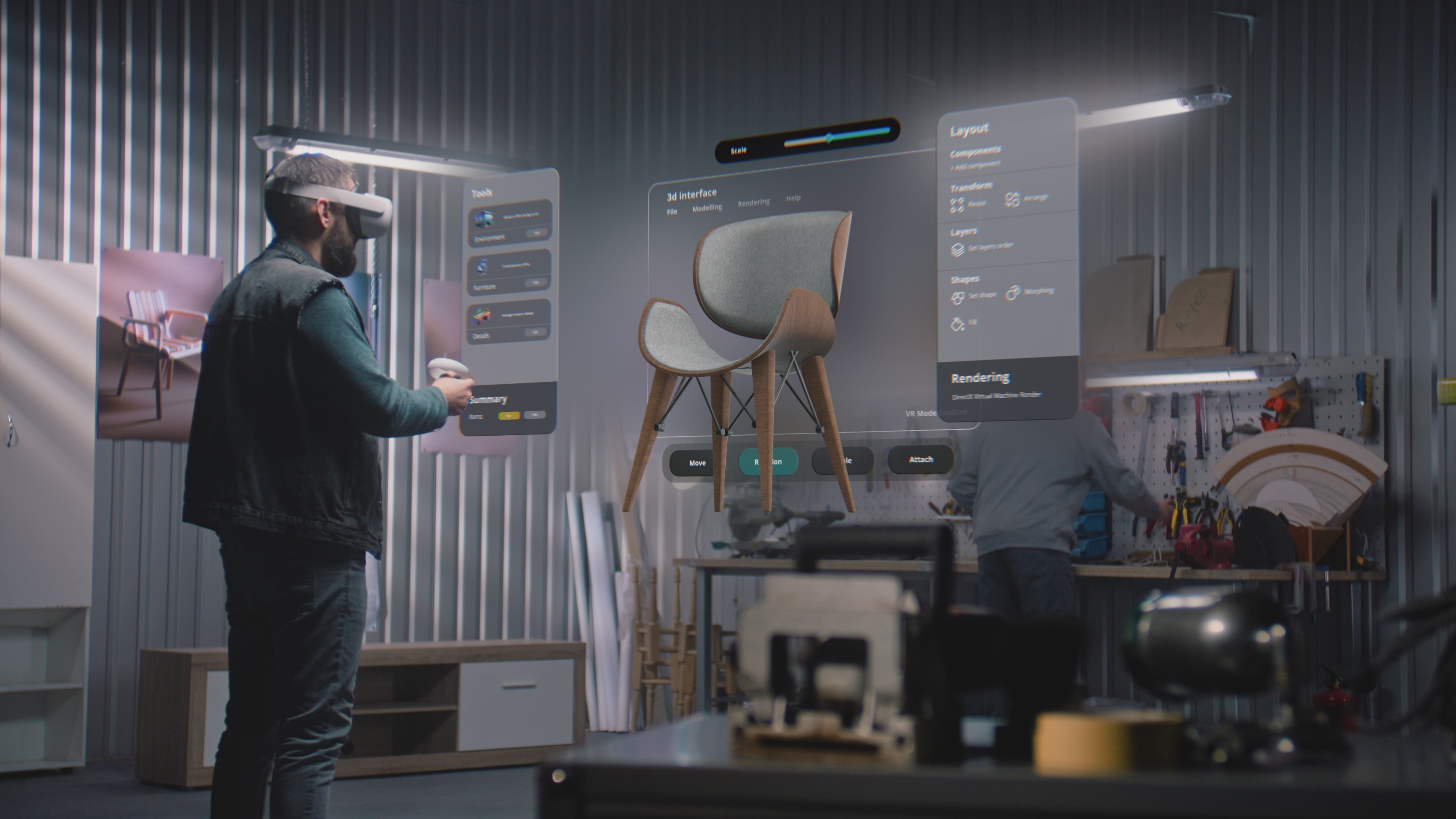
Extended reality (XR), which includes augmented, virtual, and mixed reality, is creating new opportunities for engagement and commerce. While forecasts differ, one PwC article projects that VR and AR technologies will contribute up to US$1.5 trillion to global economic value by 2030.
For advertisers, XR opens a channel where discovery, trial, and conversion can happen in one session. Ads can enable virtual product trials, interactive showrooms, and experiential storytelling that convert curiosity into purchase. As XR becomes more integrated with ad tech, the future of paid search may expand to include discovery within virtual environments and AR overlays. The numbers are certainly pointing in that direction.
What Marketers Should Do Next
Success in the marketing world in 2026 will be grasped by teams that combine technology, strategy, and trust in their workflows. To prepare:
1. Adopt practical AI workflows. Use predictive models for bidding and creative variants, but keep human review for brand and ethical checks. This balances scale with quality, and it makes AI in marketing useful rather than risky.
2. Invest in answer-ready content and AEO. Optimize content for direct answers and conversational search patterns so you stay visible as search behavior shifts.
3. Build first-party data systems and contextual strategies. Focus on audience relationships and consent-based data collection to survive in a cookieless environment.
4. Embed trust in all communications. Publish data practices, offer simple controls for customers, and demonstrate transparency and accountability in all marketing.
5. Experiment with XR where it matches your product and audience. Early tests will teach you what creative formats and user journeys work in immersive commerce.
Brands that adapt to these upcoming transformative trends will keep campaigns efficient and keep customers engaged. If you want a faster way to apply these ideas to live campaigns, OptAdEasy provides AI-driven optimization tips and competitor insights that help teams move from strategy to results. Start your free trial today and gain actionable, AI-driven insights instantly.