A Smarter Way to Streamline Client Reporting: Generate Live, Client-Ready Reports Instantly
“Reporting Week” is almost always a constant in performance-driven digital marketing. Agencies often dedicate an entire week (or more) to gathering metrics, double-checking numbers, and crafting PDFs that are assuredly outdated by the time they land in the client’s inbox. This drain on time and resources impacts both profitability and client satisfaction, leaving account managers frustrated and strategic initiatives delayed.
Digital marketing reporting requires accuracy, timeliness, and clarity. When agencies rely on manual methods, the margin for error increases, client questions pile up, and the opportunity to act on performance data in real-time vanishes. Manual vs. automated reporting has moved way beyond just convenience. It now defines whether an agency can operate efficiently or remain stuck in a constant loop of reacting to new information.
This is where OptAdEasy steps in to bridge the gap between raw ad data and actionable client insights. With live dashboards and integrated reporting across Meta and Google, teams can move past spreadsheets and PDFs, focusing instead on optimization and strategy.
Manual vs. Automated Reporting: Why Your Current Process May Be Broken

When comparing manual reporting against automated reporting, the biggest difference isn’t merely the hours saved; it’s the accuracy and relevancy of the data being shared. Manual reporting introduces human error at every step, from misaligned columns to forgotten campaign adjustments, and more minute details unique to each account. Monthly PDFs often arrive after performance has shifted, making the insights effectively historical rather than actionable.
Cross-platform reporting adds another layer of complexity. Agencies managing Meta and Google campaigns must consolidate data from separate dashboards, formats, and attribution models. The process is tedious, error-prone, and virtually impossible to scale.
A live, automated system removes these bottlenecks. Automated report generation ensures data is consistently updated, errors are reduced, and teams can act on insights in real-time. Report automation also allows managers to review live campaign performance without waiting for end-of-week reports, giving them the ability to pivot strategies and optimize budgets instantly.
The Top Benefits of Automated Reporting for Ad Managers
Along with saving a few hours, one of the best benefits of automated reporting is that it leads to higher client retention rates and improved campaign performance. When your clients have access to transparent, irrefutable live data, trust grows. In this case, a live dashboard provides this much-needed clarity. It shows how each campaign is performing, how budgets are allocated, and where optimizations are needed/applied.
Speed is another crucial advantage here. Automated systems can easily catch performance dips (even minute, nearly unnoticeable ones) as they happen, and not after a month has passed. This real-time visibility allows ad managers to intervene before small issues snowball into costly mistakes.
Finally, clarity is enhanced by merging multiple data sources, such as from Google and Meta, into a single narrative. Instead of toggling between platforms or manually consolidating spreadsheets, teams have a cohesive view of cross-channel performance. The benefits of automated reporting extend to reducing internal friction, improving collaboration, and freeing teams to focus on high-level strategy rather than menial tasks.
Selecting the Right Reporting Tool for Cross-Platform Success
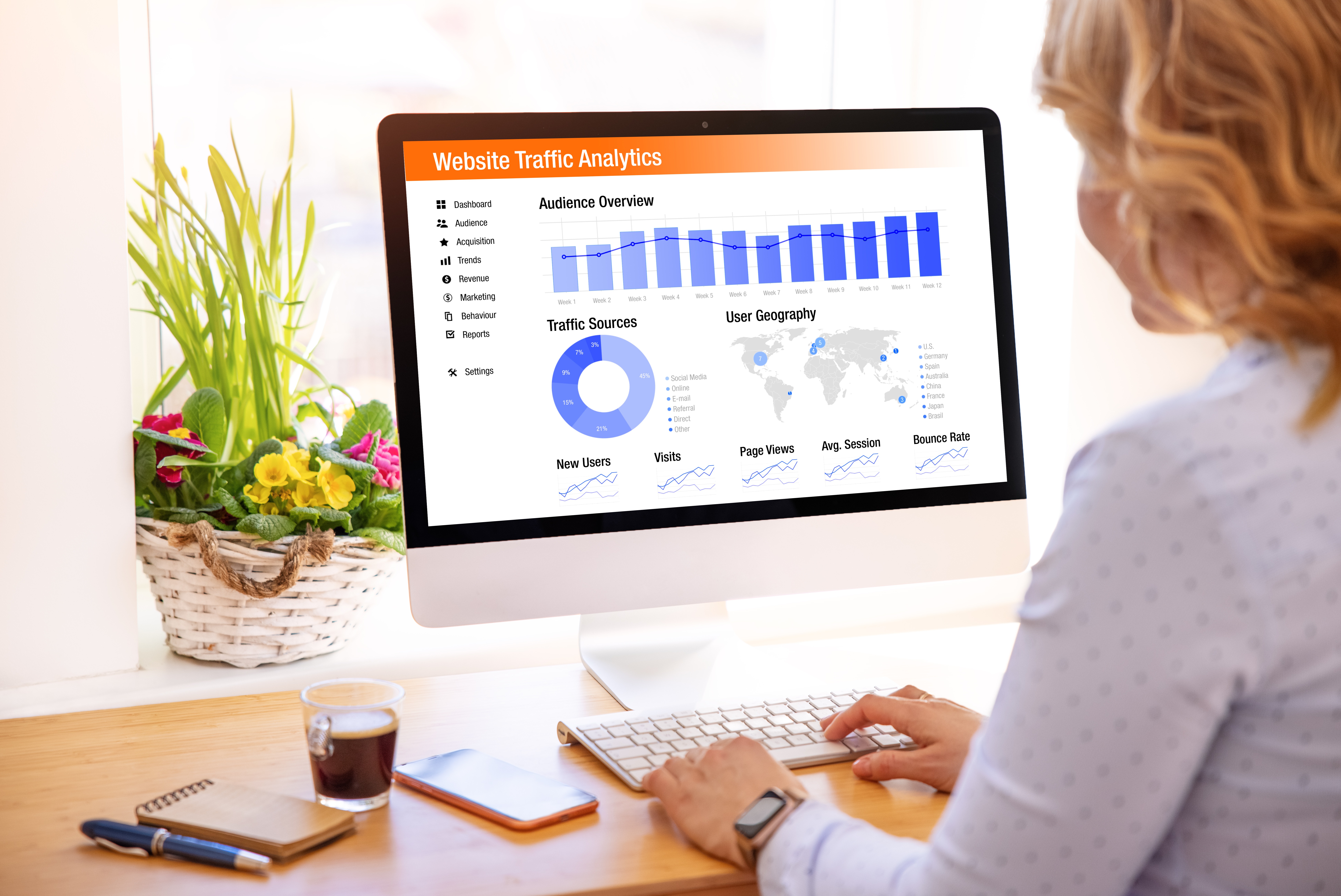
Choosing the right tool to use is half the battle, since not every reporting tool is created equal. An ad manager needs a solution that does more than just display data. It also needs to aid in the manager’s optimization efforts. When choosing a reporting tool, integration with the biggest ad platforms available (i.e. Google and Meta) is non-negotiable. Teams need this system to unify cross-platform data, eliminate manual aggregation, and present insights in an actionable format.
Here, OptAdEasy stands out with unique features designed for efficiency and strategy. A highlight of our product is the Competitor Stalk, a feature that allows teams to monitor competitor campaigns for insights, while an AI-driven optimization feature gives tips on opportunities across campaigns. These capabilities make reporting more than a back-office function; they turn it into a growth engine.
Of course, functionality is just as important as speed. A robust reporting tool should automate routine tasks, provide live dashboards for client review, and integrate AI-powered recommendations. If an agency invests in the right platform, it will gain visibility, reduce errors, and improve the quality of its reporting, all in one place.
How Automated Report Generation Scales Your Agency
Scalability becomes harder when your team is constantly tethered to a cycle of manual updates. Thus, automated report generation becomes essential for growth. Teams can reduce hours spent per client from several hours per week to zero, freeing resources for other, more productive endeavors within the organization.
Report automation also enhances workflow. OptAdEasy’s one-click Accept/Reject optimization loop transforms reports into action items, turning raw data into decisions without requiring extra manual steps. Teams can adjust bids, pause underperforming ads, and reallocate budgets directly from insights generated automatically.
With automated reporting tools, the impact on agency scale is almost immediate. Teams can handle more clients without increasing headcount, reduce operational friction, and ensure every campaign is continuously improving based on live performance metrics.
Implementing Report Automation: A Step-by-Step Transition
If you’re wondering how to automate report generation, transitioning to a full autonomous system is simpler than most managers think, especially when the tool handles the heavy lifting of API integrations.
- The process begins by connecting Google and Meta accounts. Once integrated, data flows seamlessly into live dashboards.
- Next, agencies can set up white-labeled portals for clients, offering 24/7 access to live performance metrics. Clients no longer need to wait for end-of-month PDFs. Each report is instantly updated, branded, and ready for review.
- Finally, AI-driven insights explain the “why” behind the numbers. Automated systems focus on trends, anomalies, and opportunities to help teams focus on strategy rather than manual calculations.
In short, report automation ensures every stakeholder has a clear understanding of campaign performance at any moment.
Making the Shift to Live, Client-Ready Insights with Report Automation
The future of digital marketing reporting is live, instant, and transparent. Agencies no longer need to rely on static PDFs or hours of manual data entry. A reporting tool like OptAdEasy transforms the client-agency relationship, providing real-time insights, reducing errors, and enabling smarter, faster decision-making.
Automated report generation also enables effortless scaling, ensuring that agencies can grow without sacrificing quality. Thus, digital marketing reporting becomes a strategic asset rather than an administrative burden.
Don’t just report on the past. Use OptAdEasy to shape the future of your campaigns, provide clients with instant, actionable insights, and experience the benefits of automated reporting firsthand. Start a free trial or request a free report today to see how your reporting process can be streamlined and elevated.